
Smart Film for Hotels
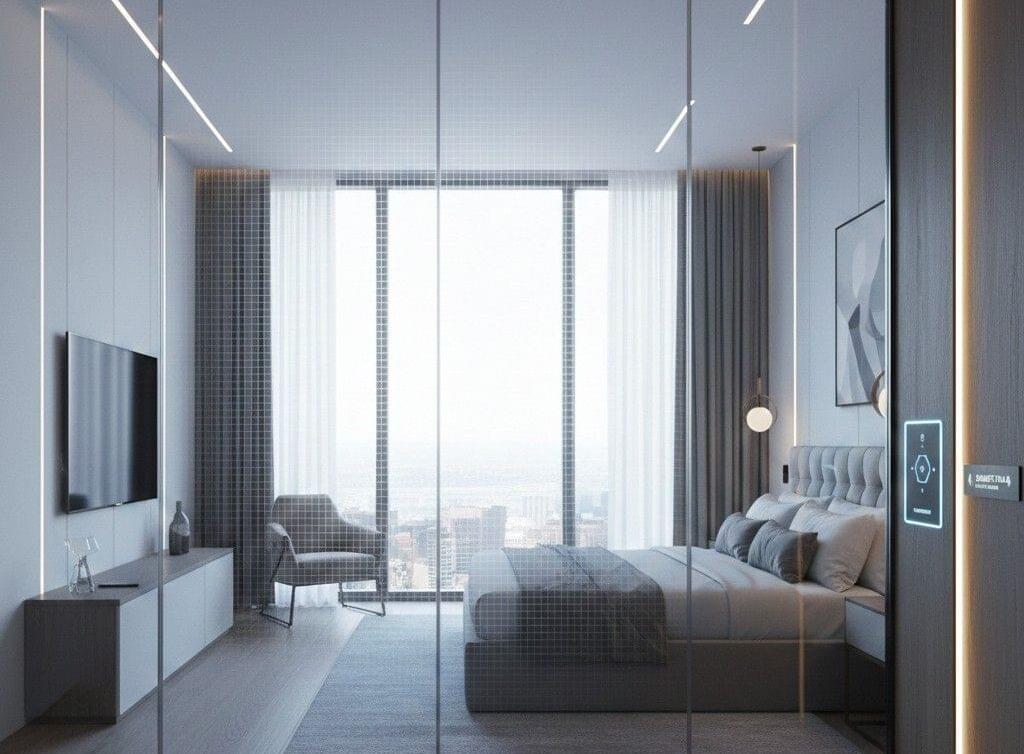
Blog Table of Contents Smart Film for Hotels: Modern Design with Instant Privacy Modern hotels are expected to deliver more than comfort—they must deliver experience. Privacy, lighting, and spatial flexibility now directly influence guest satisfaction, online reviews, and brand perception. Smart film for hotels is emerging as a practical solution that allows hospitality spaces to remain open and modern while giving guests instant control over privacy and light. Based on our experience working with architects, hotel operators, and renovation teams, smart film is no longer a novelty—it’s a functional design tool with real operational benefits. Why Smart Film Is Growing in the Hospitality Industry Guest expectations have changed. Today’s travelers value: Privacy without feeling boxed in Clean, minimalist interiors Technology that feels intuitive, not gimmicky Key drivers behind smart film adoption in hotels include: Open-plan bathroom and suite designs that still require privacy Demand for premium, technology-forward interiors Renovation projects seeking flexible upgrades without major construction Smart film addresses these needs by offering privacy on demand without permanent barriers. What Is Smart Film and How Does It Work in Hotels? Smart film is a switchable film applied to glass that changes from transparent to opaque instantly. In hospitality environments, it is primarily used for privacy control and light diffusion. How PDLC Smart Film Works PDLC (Polymer Dispersed Liquid Crystal) smart film operates by aligning liquid crystal particles with electricity: Power on: Glass is transparent Power off: Glass becomes opaque (frosted) Switching time: Typically under one second Controls: Wall switches, remotes, or building automation systems This same technology is used in residential and commercial applications, making it a proven and reliable solution. Smart Film vs Smart Glass for Hotels Hotels often compare smart film with smart glass during planning. Smart film advantages for hospitality projects: Can be retrofitted onto existing glass Minimal disruption during installation Ideal for phased, room-by-room renovations Smart glass is typically used in new construction, while smart film is often the more practical and cost-effective option for hotel upgrades. How Smart Film Improves the Guest Experience Privacy on Demand Without Closing Spaces Smart film allows guests to instantly switch privacy on or off, particularly in: Bathrooms Glass showers Open-plan suites This preserves spacious layouts while making privacy intuitive and guest-controlled. Wellness, Spas, and Pool Areas In spa and wellness environments, smart film enables: On-demand privacy for treatment rooms Smooth transitions between shared and private zones Calm, uncluttered visual environments This flexibility supports both guest comfort and efficient space usage. Perceived Luxury and Modern Design Smart film enhances design by: Eliminating curtains and bulky blinds Supporting minimalist, high-end interiors Reinforcing a modern, technology-forward brand image For upscale and lifestyle hotels, these design details directly influence guest perception and reviews. Smart Film Applications in Hotel Rooms Bathroom Privacy Common uses include: Glass showers and bathtubs Bathroom partitions Ensuite layouts When installed correctly, smart film performs reliably in humid hospitality environments. Suites and Interior Glass Walls In premium rooms and suites, smart film allows: Flexible zoning between sleeping and living areas Open layouts during the day Instant privacy at night Smart Film vs Curtains in Hotels Compared to traditional curtains or blinds, smart film offers: Better hygiene (no fabric collecting dust) Faster cleaning for housekeeping teams Reduced wear and replacement costs Curtains still have a place, but many hotels now use smart film as a cleaner, longer-lasting alternative in key areas. Light Control and Guest Comfort Smart film also plays an important role in lighting management. Reducing Glare While Preserving Daylight In its opaque state, smart film diffuses light, helping to: Reduce glare in bright rooms Maintain natural daylight Improve visual comfort Mood, Ambiance, and Wellbeing Lighting affects relaxation and sleep quality. Smart film supports: Softer, more comfortable lighting conditions Smooth transitions from day to night Reduced visual overstimulation Operational Benefits for Hotel Owners Maintenance and Hygiene Operational advantages include: No fabric to clean or replace Better performance in humid areas Simplified housekeeping routines Durability and Reliability Long-term performance depends on: Proper installation Reliable power supply Clear maintenance protocols Power-off default opacity also ensures privacy during outages—a key consideration for hospitality environments. Faster Room Turnover With fewer mechanical components than blinds or curtains, smart film supports: Faster cleaning cycles Less downtime Lower long-term maintenance effort Smart Film for Hotel Renovations and Retrofits Smart film is especially effective for existing hotels. Why It Works for Retrofitting Smart film is ideal when: Existing glass is structurally sound Major construction is not feasible Upgrades must be phased room by room Installation Considerations Successful projects require: Proper glass surface preparation Thoughtful electrical routing Coordination with renovation schedules Applications Beyond Guest Rooms Smart film is also effective in: Meeting rooms On-demand privacy and flexible layouts Lobbies and restaurants Visual openness with controlled separation Spas and wellness areas Zoned privacy without permanent walls Common Questions About Smart Film in Hotels Is Smart Film a Gimmick? Guest feedback is consistently positive when: Controls are intuitive Switching is instant Design integration feels intentional What If Smart Film Fails? Risk is managed through: Manual override options Clear maintenance procedures Realistic performance planning ROI and Long-Term Value Value comes from: Reduced cleaning and replacement costs Improved guest satisfaction Long-term design flexibility Is Smart Film Right for Your Hotel? Smart film delivers the most value when aligned with: Overall design strategy Guest experience goals Operational realities It doesn’t need to replace every curtain—but used strategically, it offers measurable benefits. Balancing Privacy and Daylight in Hotels Smart film allows hotels to move beyond static design choices. Instead of choosing between openness and privacy, hospitality spaces can now offer both—instantly and on demand. When thoughtfully implemented, smart film enhances guest comfort, supports efficient operations, and aligns with modern hospitality design expectations. Latest Blogs Smart Film Blog Table of Contents Smart… Office Privacy Blog Table of Contents How… Cut Energy Blog Table of Contents Smart… Modern Privacy Blog Table of Contents How… Revolutionizing Interior Blog Table of Contents The…