
Cut Energy Bills with Smartglass
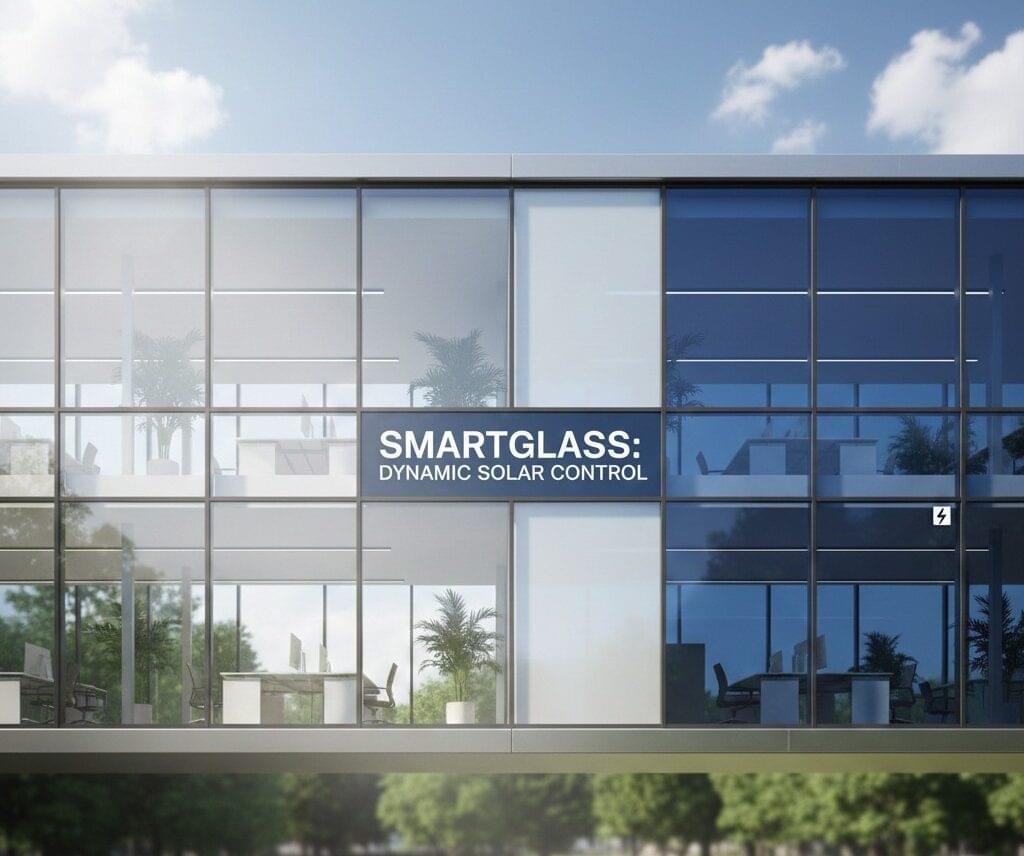
Blog Table of Contents Smart Glass Energy Savings for Buildings Smartglass energy savings are becoming a priority in the UAE and GCC, where cooling costs are among the highest anywhere in the world. Long summers, intense solar heat, and glass-heavy architecture make air-conditioning a year-round necessity. The problem? Traditional windows allow a massive amount of heat inside, forcing AC systems to run longer and work harder. Smartglass changes this completely. By reducing heat gain while still allowing daylight, it helps buildings stay cooler, lowers electricity bills, and improves overall comfort. In this guide, we break down how smartglass works, what kind of savings it delivers, how it compares to other options, and why it’s becoming a top choice for homes and commercial buildings across the region. Why Smartglass Matters for Energy Savings? Smartglass—sometimes called switchable glass—changes from clear to opaque when powered. Its biggest advantage in hot climates is its ability to reduce solar heat gain without blocking natural light. There are different smartglass technologies, and each affects energy efficiency differently: PDLC (Polymer Dispersed Liquid Crystal) Best for privacy + moderate heat reduction. Ideal for retrofits using smart film. Electrochromic Smartglass Dynamic tinting, strong energy savings, used in advanced facades. Suspended Particle Devices (SPD) Fast switching and great solar control. Smartglass is available as: Integrated Glass Units (IGUs) for new construction Smart films for existing windows Traditional glazing loses energy through conduction, radiation, and infrared heat transfer. Smartglass reduces these losses, helping buildings maintain comfortable temperatures with less cooling demand. How Smartglass Reduces Heat Blocking NIR Heat Radiation While Allowing Natural Light Most heat entering a building comes from near-infrared (NIR) radiation, not visible light. Smartglass blocks a significant portion of this infrared heat while allowing brightness into the room. The result: clear visibility and daylight without the temperature rise, reducing AC strain throughout the day. Year-Round Heat Control: Adaptive Based on Outdoor Conditions Unlike fixed tints or films that can’t respond to weather changes, smartglass adapts instantly. On hot days: Blocks solar heat and glare On cooler days: Allows warmth in to reduce heating load This adaptability makes it efficient across UAE’s seasonal temperature variations. Measurable Energy Savings Buildings using smartglass typically achieve: Up to 20% reduction in total energy use 40–60% reduction in heat gain through glass Lower peak cooling load, reducing stress on HVAC systems Paired with daylight, these improvements increase comfort without making rooms dark. Why UAE Buildings Benefit from Smartglass In the UAE, cooling accounts for 70–80% of electricity consumption in many commercial and residential buildings. Smartglass directly reduces solar heat load from windows—often the biggest source of interior heat. It’s especially valuable for: Villas with large sliding doors Glass towers and office facades Hotels needing comfort + energy control Retail spaces exposed to harsh afternoon sun Smartglass keeps these spaces bright, cool, and efficient without heavy blinds or dark tinting. Smartglass vs Blinds, Tints & Low-E Films Energy Efficiency Comparison Traditional shading solutions block light but aren’t effective at controlling solar heat: Solution Daylight Heat Reduction Energy Savings Visibility Blinds/Curtains Low Low–Moderate Low Blocks views Tinted Film Medium Moderate Moderate Permanent darkening Low-E Glass Medium High High Fixed performance Smartglass High High–Very High High Clear views + privacy Real Comfort Advantage: Daylight Without Heat Smartglass eliminates the trade-off between cooling efficiency and natural light. Rooms stay bright and comfortable—without overheating or relying on blackout blinds. Smartglass vs Smart Film: Energy Savings Both options improve energy performance, but they fit different use cases: Smartglass (IGU) Best insulation Strongest solar heat reduction Ideal for new buildings or major renovations Highest long-term energy savings Smart Film Installs on existing windows More budget-friendly Good privacy + moderate heat control Best for quick upgrades in villas, offices, clinics, hotels Smart film is a great retrofit option, especially in Dubai, Abu Dhabi, Qatar, and Saudi Arabia where replacing fixed glass is costly. Buildings That Benefit Most from Smartglas Homes & Villas Large glass doors and windows bring in intense heat. Smartglass and smart film reduce AC usage while adding privacy. Learn how PDLC smart film works in homes. Offices & Corporate Buildings Cuts solar load on glass façades and provides switchable privacy in meeting rooms. Hotels & Hospitality Enhances guest comfort, ambiance, and energy efficiency without blocking views. Healthcare & Clinics Improves patient privacy while lowering cooling costs and blocking harmful UV. Retail & Restaurants Cooler interiors improve customer flow and reduce AC bills. Maintenance & Operating Costs of Smartglass Smartglass uses very little electricity—mostly in its ON (clear) state.Typical PDLC consumption: 3–7 watts per square meter, meaning yearly operating costs are minimal. Operating cost is usually much lower than the savings from reduced cooling demand, supporting overall ROI. Real Savings Scenarios 10-Story Office Tower in Dubai Marina Reduced cooling load by 18% after replacing west-facing windows with smartglass. Villa With a Full-Glass Facade in Abu Dhabi Achieved 25% lower AC usage during peak midday heat. Hotel in Riyadh With South-Facing Rooms Improved comfort and cut peak cooling demand significantly. Durability, UV Protection & Lifespan Modern smartglass offers: Strong UV and IR blocking Lifespan of 8–15 years (higher with proper installation) Protection against fading interiors Better clarity and reduced haze compared to cheap alternatives Quality installation is critical to prevent delamination and ensure performance. Future of Energy-Efficient Smart Windows Emerging technologies will enhance performance further: Dual-band electrochromic windows Energy-storing smartglass AI-driven automatic tinting systems These advancements will continue to push smartglass into mainstream adoption across GCC buildings. Smartglass Myths (And the Truth Behind Them) Smartglass is only for privacy. Reality: It delivers measurable energy savings. Tint is enough for heat control. Tint can’t adapt or block as much IR heat. Curtains work the same. Curtains heat up and radiate heat indoors. Smartglass makes rooms dark. It keeps them bright without heat. When Smartglass Pays for Itself In most UAE/GCC buildings, smartglass pays back within 2–6 years, depending on: Glass area Solar exposure Cooling system efficiency Electricity tariff ROI includes energy savings + privacy + comfort. Smartglass and smart film